
Connecting Faith and Life
I few posts back I wrote about “Real Value in Christian education” and mentioned several aspects of a Christ-centered education that provide unique and powerful connections between life and learning. We can now look more closely at the first of these connections:
- Christ-centered education connects faith to life (God’s law is central to all learning and to all decisions because I know He desires what is best in the long term.)
First, it would be helpful to have a clear understanding of what is meant by “faith” and by “life”. Faith, in particular, is a difficult term these days. It can refer to a set of beliefs about God or about anything else. It can also mean that you “trust” something or someone in the sense that you believe it will happen or that person will be true to their promise. This is the context of the Greek word πίστις (pístis), which can also be translated as “belief”, “faithfulness”, or “trust”. Webster’s definition is 1 a : devotion to duty or a person : LOYALTY b : the quality of keeping one’s promises. 2 a : belief and trust in and loyalty to God b : belief in the doctrines of a religion c : firm belief even in the absence of proof d : complete confidence. This is not quite the same as Mark Twain’s comment that “Faith is believing what you know ain’t so”.
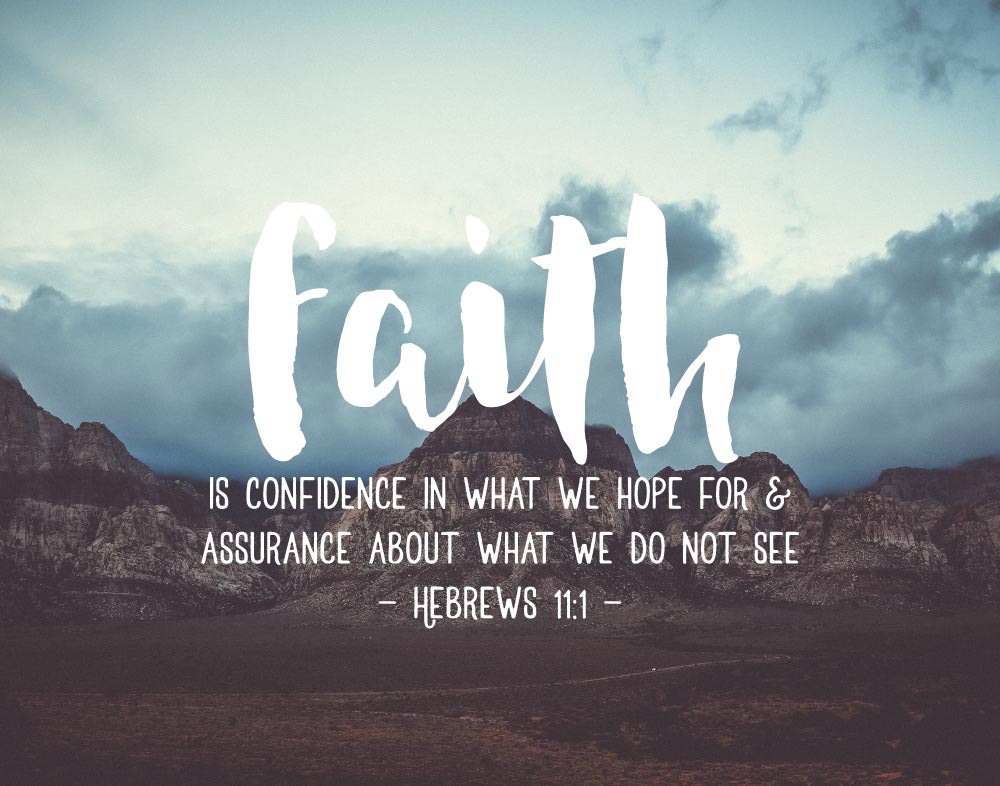
But, as I read the Bible, I see a deeper context for understanding faith. First, real faith always results in action. This is what led Abram to leave his home for a land that God had promised and even to risk everything to obey God’s direction to sacrifice his son. This is faith that sees beyond the material and the short-term for something much bigger. Of course there were serious problems and mistakes along the way because those people who tried to live by faith did not always accomplish this. But God was gracious and provided what was needed, sometimes at the last moment. God is faithful even when we are not. In this sense, faith is the living out of our beliefs in our daily activities and relationships.
There is another aspect of faith that is connected to the word “fear”. When we fear that something will go wrong or we will get hurt, this is also a “confidence” that our actions or the actions of others will have a certain consequence. Therefore, it is wise to avoid those situations or people who will cause damage because we have a healthy fear of them. So, when we read in the Proverbs that “the fear of God is the beginning of wisdom”, we can be confident that God is always able to do what He says He will do. Sometimes this is a promise for our good and at other times it is assurance that those who do evil, who are unjust, unmerciful or mock God’s name, image or character, will receive appropriate punishment from Him. Faith in God, much more than faith in man, directs us to do what is right in God’s eyes and is also a blessing to us and to others. This faith comes from a righteous “fear of God” and overrules any “fear of man” because we know that God always has the greater power and will judge men by their motives as well as by their words and actions.

When we define “life”, we must mean more than life in the physical sense. Animals and plants are alive, and may have a certain sense of satisfaction from living, but they don’t contemplate or celebrate life in a spiritual dimension. Life should be more than survival, but rather a joyful, purposeful state of mind and heart, a knowledge and appreciation of growth in every area while in community with others who share that knowledge and appreciation.
This leads us to Isaiah 55, a rich example of the connection between faith in God and life in the context of learning.
Ho! Everyone who thirsts, come to the waters; and you who have no money, come, buy and eat. Yes, come, buy wine and milk without money and without price. Why do you spend money for what is not bread, and your wages for what does not satisfy? Listen carefully to Me, and eat what is good, and let your soul delight itself in abundance.
This is also the message of the Gospel: God is calling us out of our pain, our alienation, our confusion, our sin, into a full and deep understanding of Him and His truth. This truth stands in sharp contrast to the voices of our culture and the conflicting voices of our own soul about who we are. It is only in the recognition of His truth (as made clear in Scripture) that we can understand that His grace reaches even to us, who live so far from that truth.
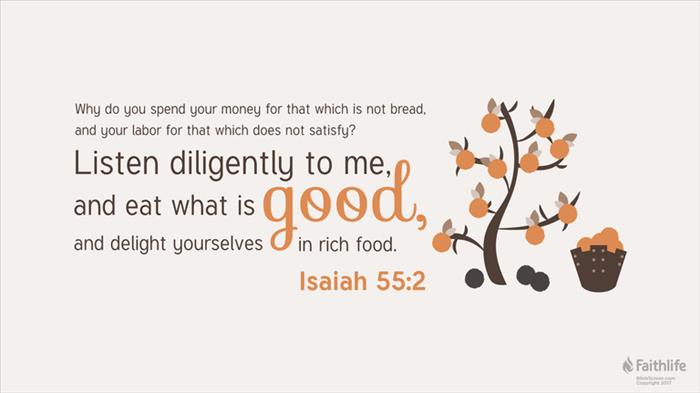
Here we see that God’s intention is for our good and our blessing. But it is not for us alone. We are blessed fully when we are also a channel of blessing for others. This can be seen in the 10 Commandments or “10 Words” which God has provided for us and are also summarized in Matthew: Love God and your neighbor. You can read more about how the 10 Words are a foundation for blessing on my post and I would also suggest Dennis Prager’s book or video for an introduction to further study.
God’s Law is not restrictive in a harmful sense but provides boundaries and direction in life in order to guide and stimulate our growth and our reinvestment into His Creation and every aspect of life and relationship. When these boundaries and truths graciously underpin the context of learning, they provide meaning and purpose in the learning process, leading us to a life of blessing and productivity with an eternal purpose.